Articles

Latest posts

How Much Snow Can a Utah Roof Hold? – All Star Roofing

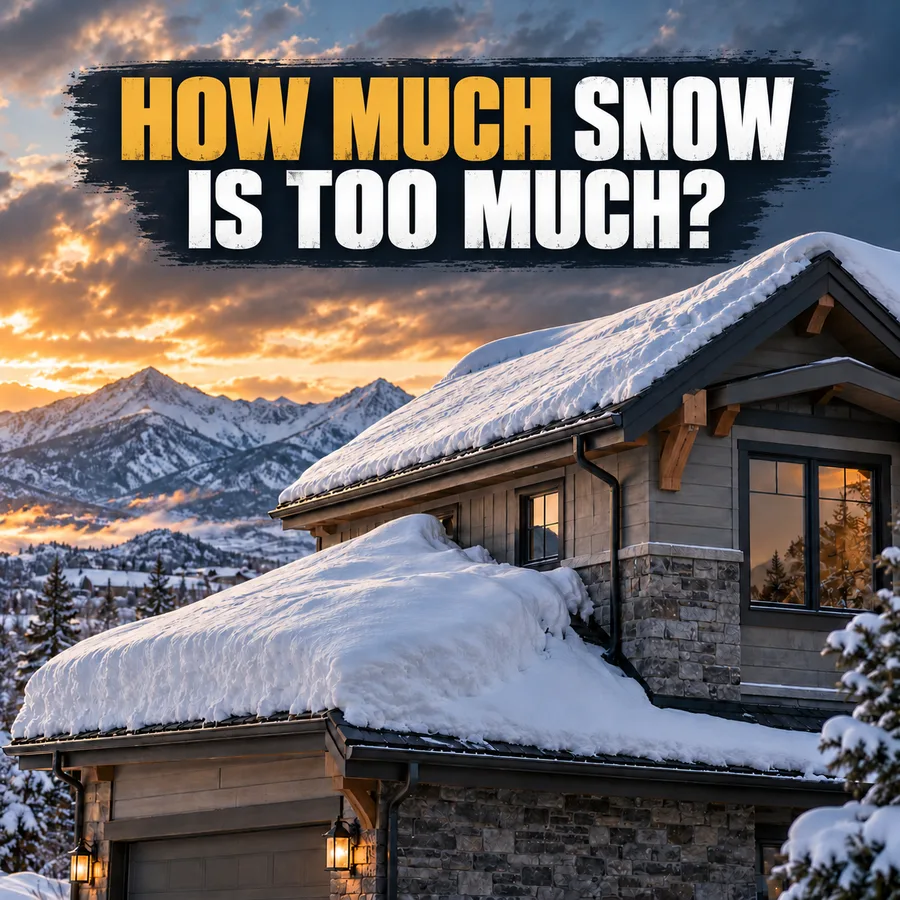
How Much Snow Can a Utah Roof Hold?

Quick answer: There is no reliable one-size-fits-all snow depth for a Utah roof. Capacity depends on the building's design, elevation, roof shape, condition, alterations, drifting, and the water content of the snow. Wet snow and ice can weigh far more than the same depth of dry powder. Snow-load decisions are structural decisions, not estimates based only on inches. Utah requirements also vary by location and elevation. The safest homeowner role is to monitor from inside and from the ground, keep exits away from sliding snow, and respond quickly to signs...

Continue reading: How Much Snow Can a Utah Roof Hold?
Roof Raking in Utah: When Is It Useful and When Is It Unsafe? – All Star Roofing

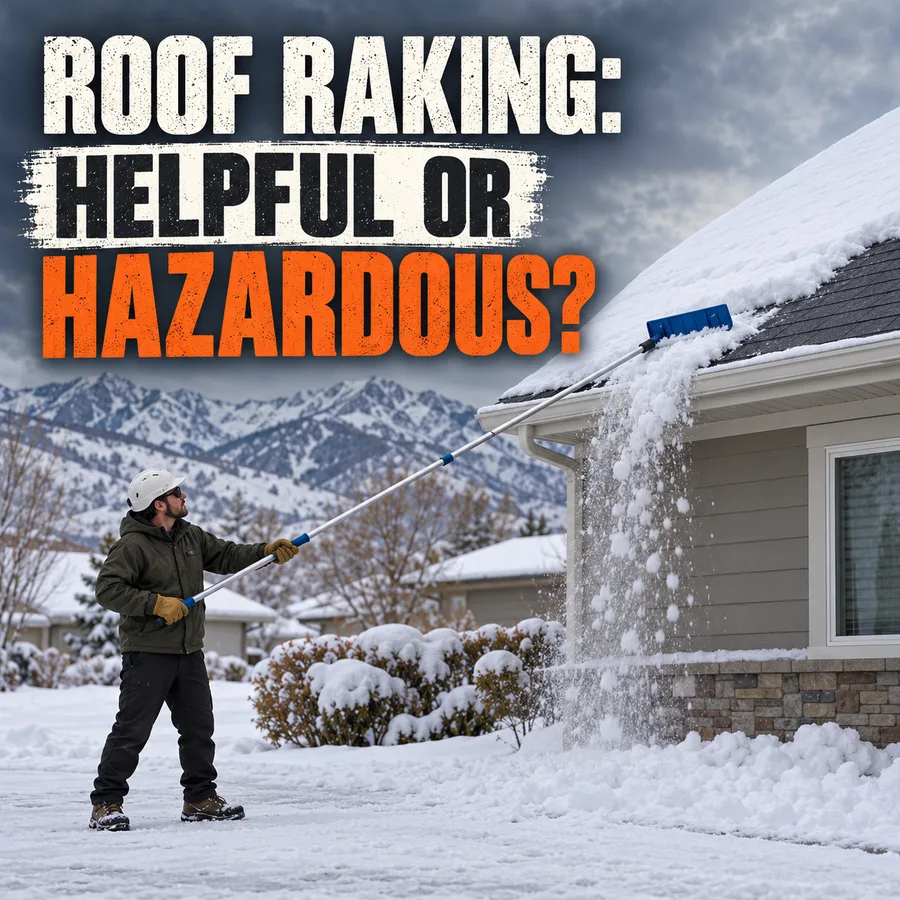
Roof Raking in Utah: When Is It Useful and When Is It Unsafe?

Quick answer: A roof rake can remove a limited amount of fresh snow from some roof edges while the user stays on the ground, but it is not appropriate for every roof or snow condition. Never rake from a ladder or stand below falling snow and ice; deep, heavy, crusted, or structurally concerning accumulation calls for trained help. Snow removal changes the load and can release sliding material. The task needs a protected drop zone and a method that does not damage the roof covering. A rake is not a...

Continue reading: Roof Raking in Utah: When Is It Useful and When Is It Unsafe?
What Does Uneven Snowmelt on a Roof Mean? – All Star Roofing

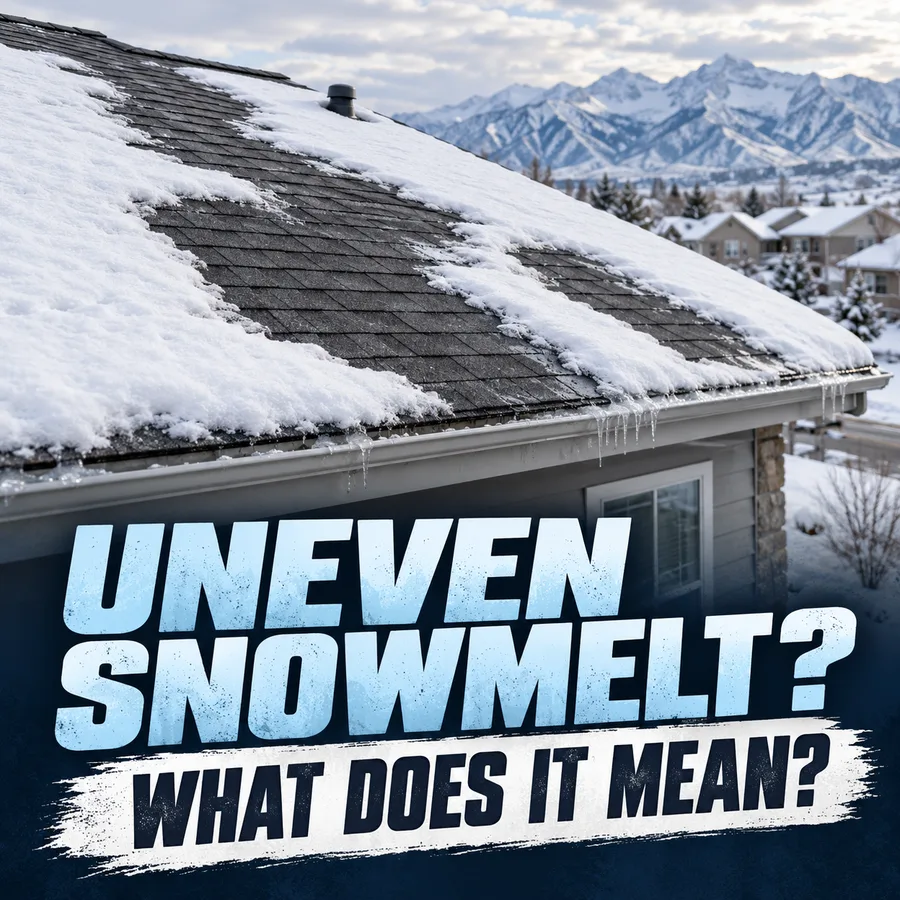
What Does Uneven Snowmelt on a Roof Mean?

Quick answer: Uneven snowmelt can reflect ordinary sun and wind exposure, but it can also point to heat escaping into an attic, uneven insulation, blocked airflow, warm ducts, or differences in roof geometry. The pattern is useful evidence; it does not diagnose a roofing or insulation defect by itself. Fresh snow can briefly make heat and airflow patterns visible. Similar slopes are the most useful comparison because south-facing and shaded surfaces naturally melt at different rates. Homeowners should observe from the ground, take dated photos, and note indoor conditions. A...

Continue reading: What Does Uneven Snowmelt on a Roof Mean?
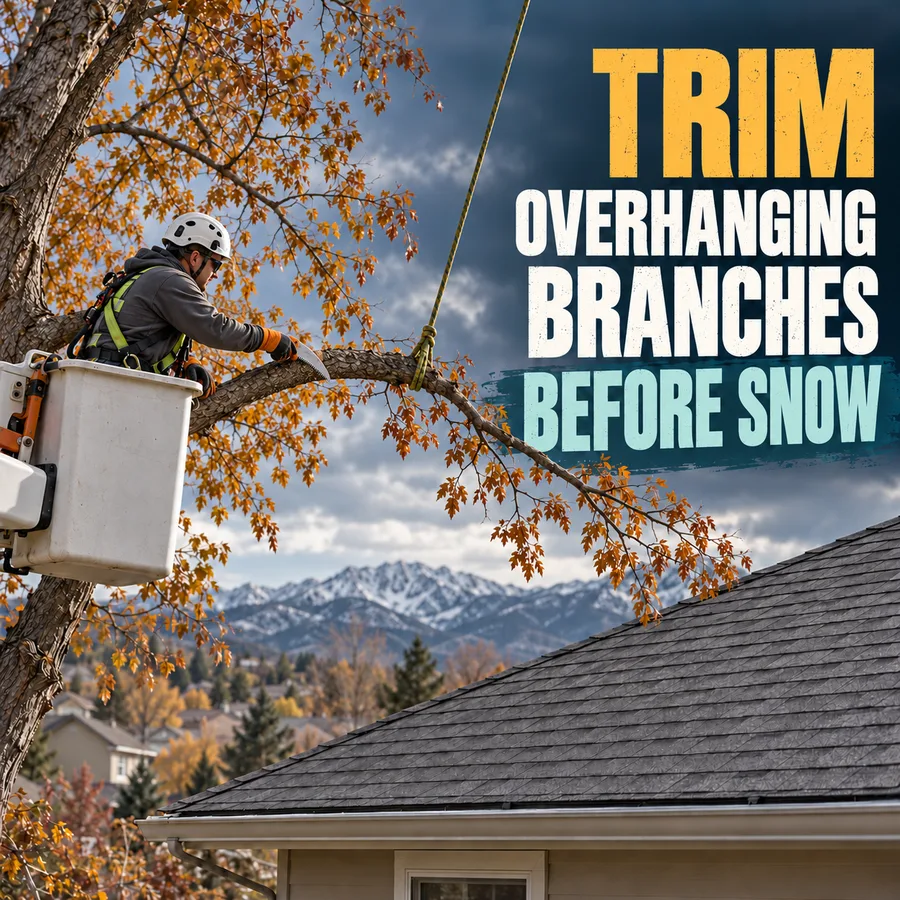
Should You Trim Tree Branches Near Your Roof Before Snow? – All Star Roofing

Should You Trim Tree Branches Near Your Roof Before Snow?

Quick answer: Branches that touch, hang low over, or drop heavy debris onto a roof should be evaluated before winter. Snow and wind can change how branches move, but trimming should be planned by a qualified tree professional so limbs, tools, and workers do not damage the roof. The relationship between a tree and roof is more important than a simple distance rule. Species, branch health, slope, prevailing wind, and the roof material all matter. Roofing and tree work solve different parts of the problem. An arborist evaluates the tree;...

Continue reading: Should You Trim Tree Branches Near Your Roof Before Snow?
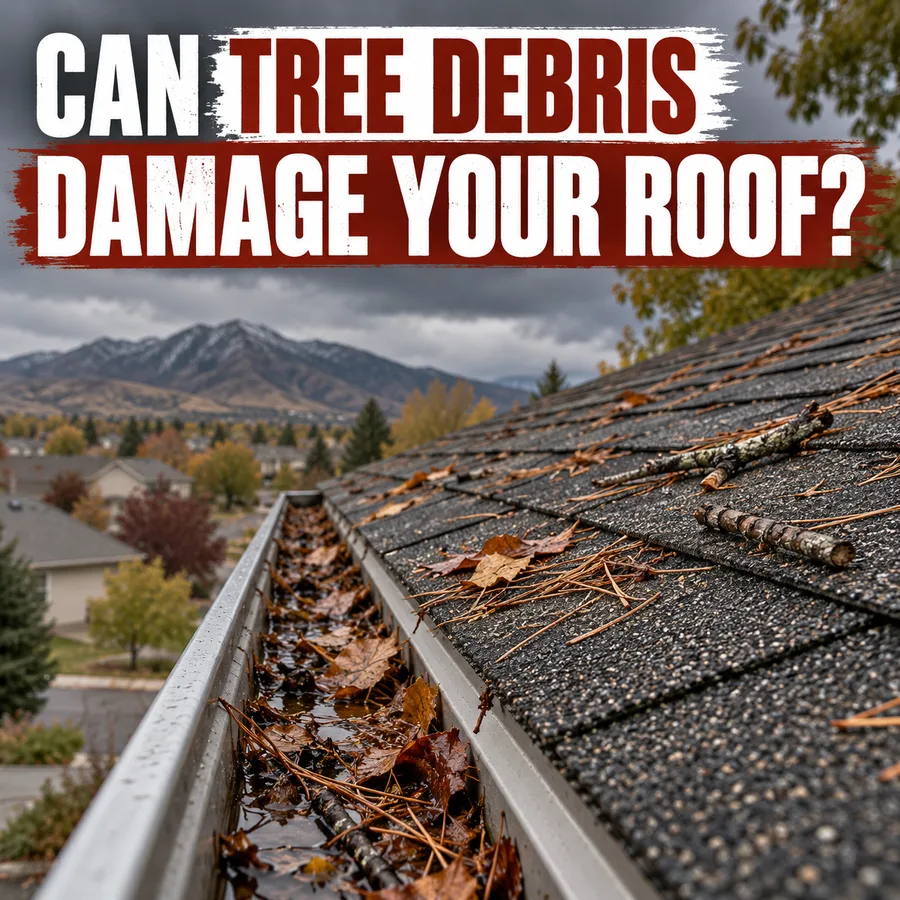
Can Leaves and Pine Needles Damage a Roof? – All Star Roofing

Can Leaves and Pine Needles Damage a Roof?

Quick answer: Leaves and pine needles can contribute to roof problems when they collect in valleys, behind chimneys, at wall intersections, or in gutters. They can hold moisture, block drainage, conceal hadamaged materials, and add combustible fuel near the home, but a few loose leaves do not automatically mean the roof is damaged. Fall debris tends to settle in the same sheltered areas where water needs a clear path. Pine needles can pack tightly, while wet leaves can mat together and remain in place after a storm. A sensible fall...

Continue reading: Can Leaves and Pine Needles Damage a Roof?
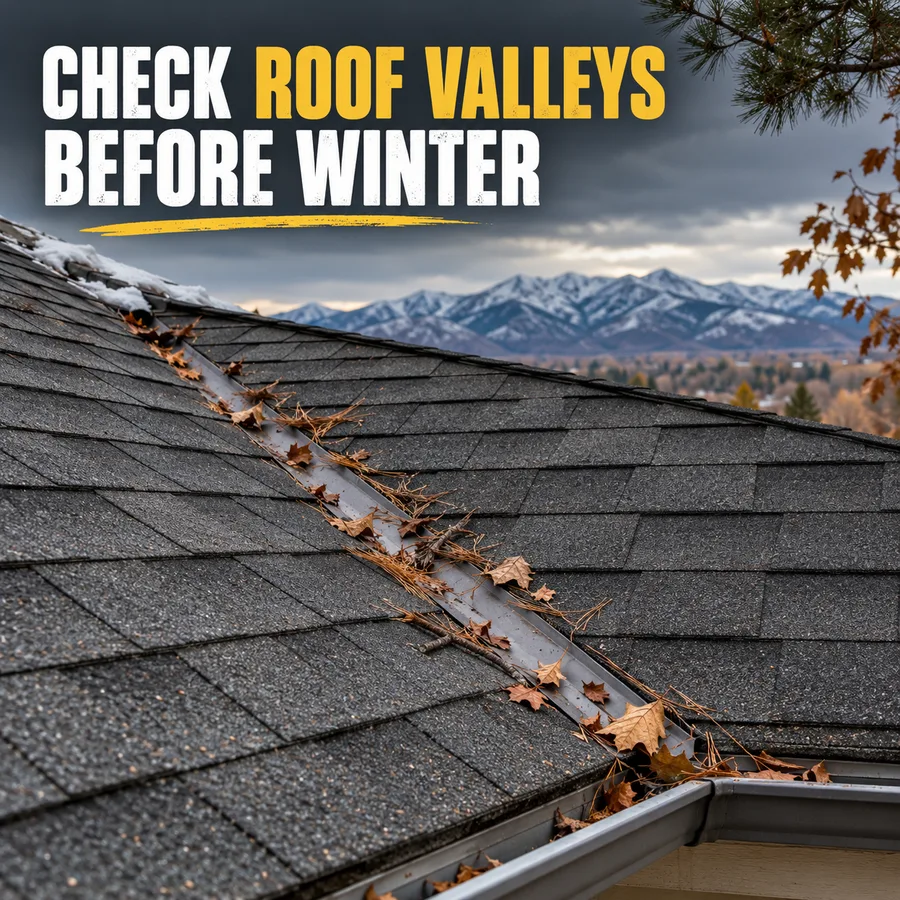
Why Roof Valleys Need Attention Before a Utah Winter – All Star Roofing

Why Roof Valleys Need Attention Before a Utah Winter

Quick answer: Roof valleys deserve a pre-winter check because they concentrate rain, snowmelt, leaves, and ice into a narrow drainage path. Debris, damaged shingles, open seams, or poorly integrated flashing can slow water and make an existing weakness more likely to leak during freeze-thaw weather. A valley is not automatically a problem area, but it carries more water than most of the surrounding roof. On a Northern Utah home, that same channel may also hold windblown leaves in October and repeated snowmelt later in the season. The useful goal is...

Continue reading: Why Roof Valleys Need Attention Before a Utah Winter