
Articles

Latest posts

What Should You Do When a Ceiling Stain Appears After a Storm? – All Star Roofing

What Should You Do When a Ceiling Stain Appears After a Storm?

Quick answer: Treat a new ceiling stain as evidence of moisture, not proof of one specific roof defect. Protect people and belongings, avoid wet electrical areas or sagging drywall, document the timing, and arrange an inspection to trace whether the source is roofing, plumbing, condensation, or another building component. This question is best answered by connecting the visible condition to the surrounding roof system, the building history, and Northern Utah weather. Use roof repair services to understand the relevant service context, then base the final decision on an on-site inspection...

Continue reading: What Should You Do When a Ceiling Stain Appears After a Storm?

Why Does a Roof Leak Only During Wind-Driven Rain? – All Star Roofing

Why Does a Roof Leak Only During Wind-Driven Rain?

Quick answer: A leak that appears only during wind-driven rain often involves a sidewall, roof edge, vent, window-roof transition, or flashing detail that stays dry during ordinary rainfall. The indoor stain may be several feet from the exterior entry point. This question is best answered by connecting the visible condition to the surrounding roof system, the building history, and Northern Utah weather. Use roof repair services to understand the relevant service context, then base the final decision on an on-site inspection and a written scope. Key Takeaways Wind can push...

Continue reading: Why Does a Roof Leak Only During Wind-Driven Rain?
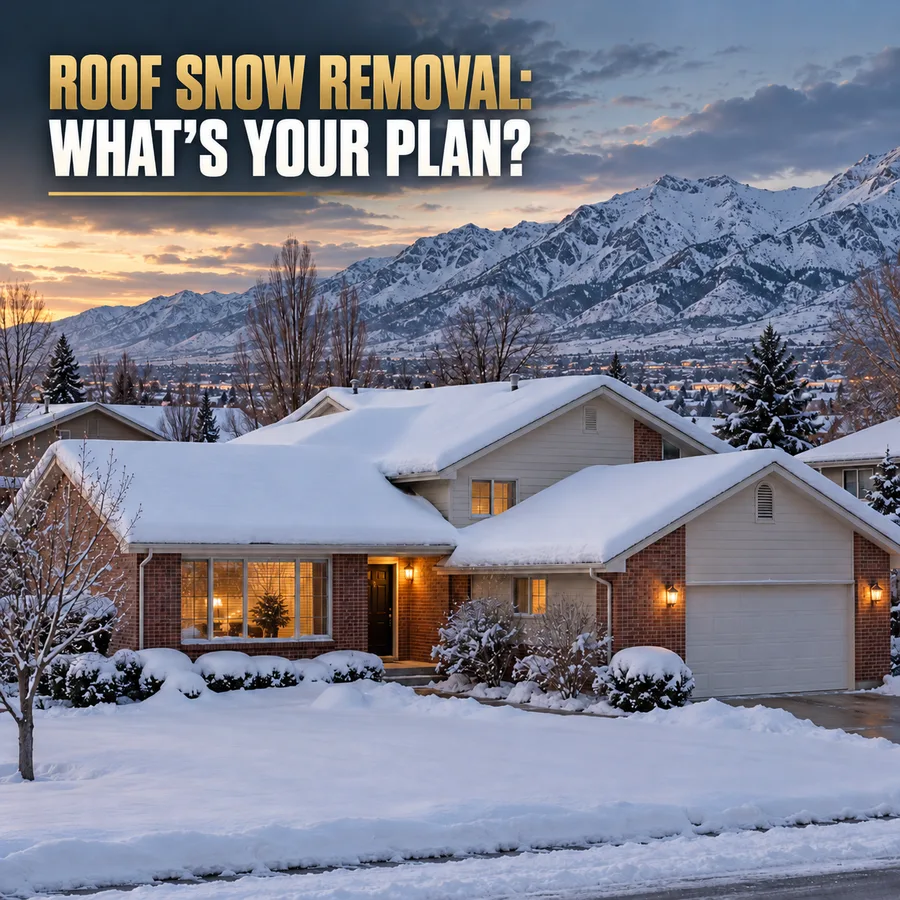
Commercial Roof Snow Removal Plans for Utah Buildings – All Star Roofing

Commercial Roof Snow Removal Plans for Utah Buildings

Quick answer: A commercial roof snow-removal plan should be written before the first major storm. It must identify who monitors conditions, who evaluates structural risk, who authorizes removal, how workers access the roof, where snow can be placed, how drains and equipment are protected, and how the work is documented. The plan should use site-specific triggers rather than a universal snow depth. Density, drifting, rain-on-snow, roof design, building condition, and structural criteria all affect the decision. Snow removal is not ordinary janitorial work. It combines fall hazards, hidden skylights and...

Continue reading: Commercial Roof Snow Removal Plans for Utah Buildings
Parapet Walls and Coping: A Pre-Winter Commercial Roof Check – All Star Roofing

Parapet Walls and Coping: A Pre-Winter Commercial Roof Check

Quick answer: Parapet walls extend above many low-slope roofs, and coping protects their top edge. Before winter, inspect coping joints, attachment, sealant, wall surfaces, membrane terminations, and drainage because water can enter at the wall or top and appear far from the visible defect. A parapet is both a wall and a roof-edge condition. Roofing, sheet metal, masonry, cladding, sealants, and structure may all meet in a narrow area. Wind can stress coping and edge metal, while snow can drift against the wall and hold meltwater near base flashing. A...

Continue reading: Parapet Walls and Coping: A Pre-Winter Commercial Roof Check
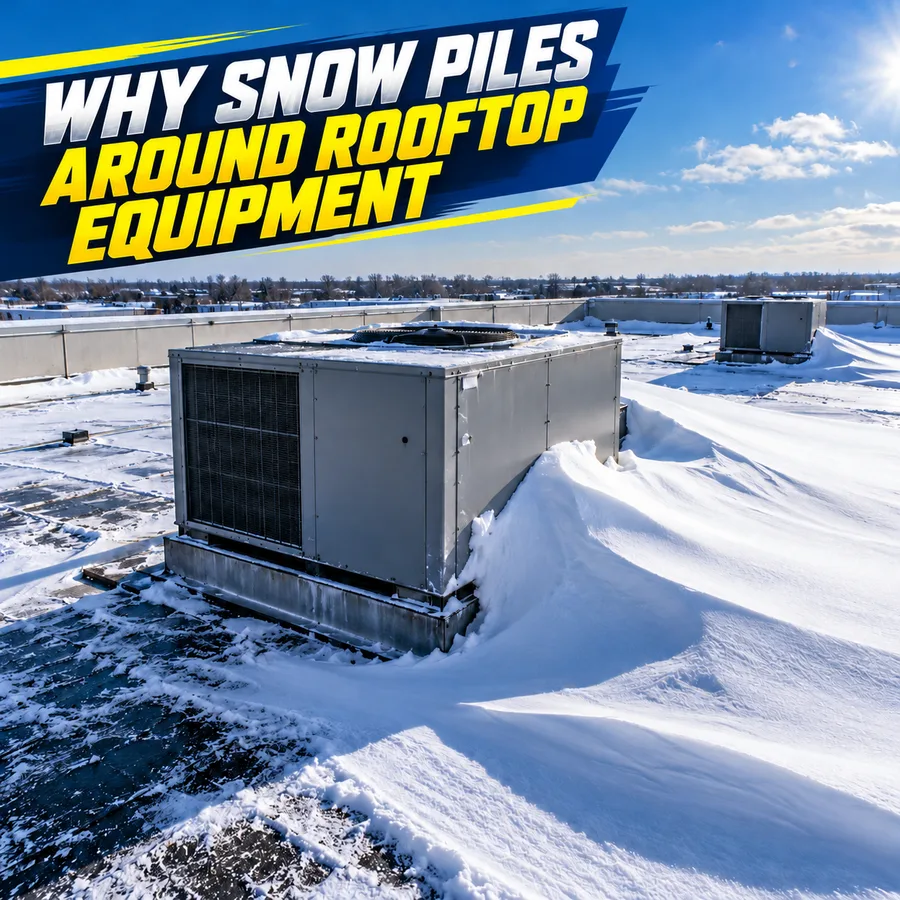
How Rooftop Equipment Changes Snow Drifting on Commercial Roofs – All Star Roofing

How Rooftop Equipment Changes Snow Drifting on Commercial Roofs

Quick answer: Rooftop units, ducts, screens, curbs, parapets, and changes in roof height interrupt wind and can create localized snow drifts. Those drifts may add concentrated load, block drainage, bury access paths, and hold moisture against flashings, so the roof plan should identify and monitor likely accumulation zones. A roof can look mostly clear while a sheltered pocket carries much deeper snow. Monitoring should follow geometry and exposure rather than relying on one measurement at the hatch. Roofers can evaluate membranes and flashings, but structural load capacity belongs with a...

Continue reading: How Rooftop Equipment Changes Snow Drifting on Commercial Roofs
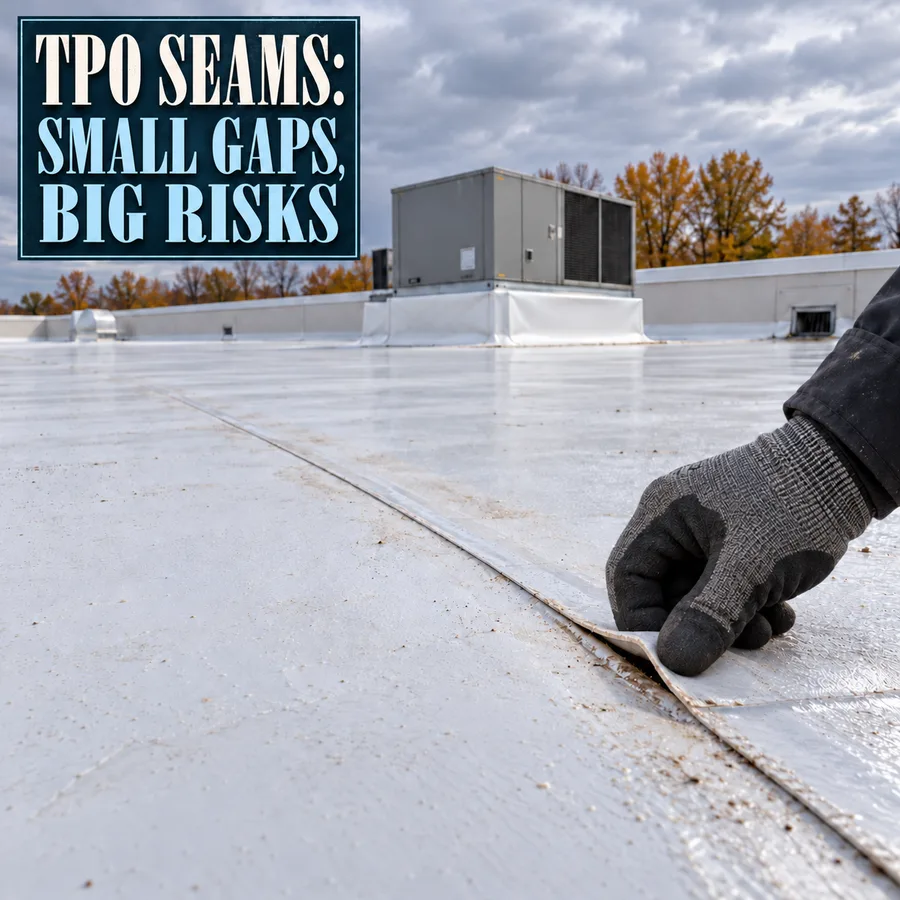
Why TPO Seams Should Be Checked Before Freezing Weather – All Star Roofing

Why TPO Seams Should Be Checked Before Freezing Weather

Quick answer: TPO seams join membrane sheets and details into a continuous water-control surface. A fall inspection can identify open edges, contamination, stress, punctures, or failing repairs before snow and freeze-thaw cycles make access and diagnosis more difficult. Most seams are heat-welded, but the roof also includes flashing membranes, patches, terminations, drains, curbs, and penetrations. A seam-only inspection can miss the actual source of water entry. Do not probe or patch seams with household sealant. TPO assessment and repair require compatible materials, clean surfaces, trained technique, and attention to the...

Continue reading: Why TPO Seams Should Be Checked Before Freezing Weather