Articles

Latest posts

What Causes Punctures in TPO Roofs? – All Star Roofing

What Causes Punctures in TPO Roofs?

Quick answer: TPO punctures commonly result from dropped tools or fasteners, sharp debris, equipment service, concentrated traffic, windblown objects, or work by other trades. The hole may be small while moisture travels farther within the assembly. The decision should begin with the building and site, not a generic rule. Compare observed conditions with a complete written scope and review the company’s TPO roofing information. Key takeaways TPO punctures commonly result from dropped tools or fasteners, sharp debris, equipment service, concentrated traffic, windblown objects, or work by other trades. The hole...

Continue reading: What Causes Punctures in TPO Roofs?

How Do Rooftop HVAC Crews Accidentally Damage Commercial Roofs? – All Star Roofing

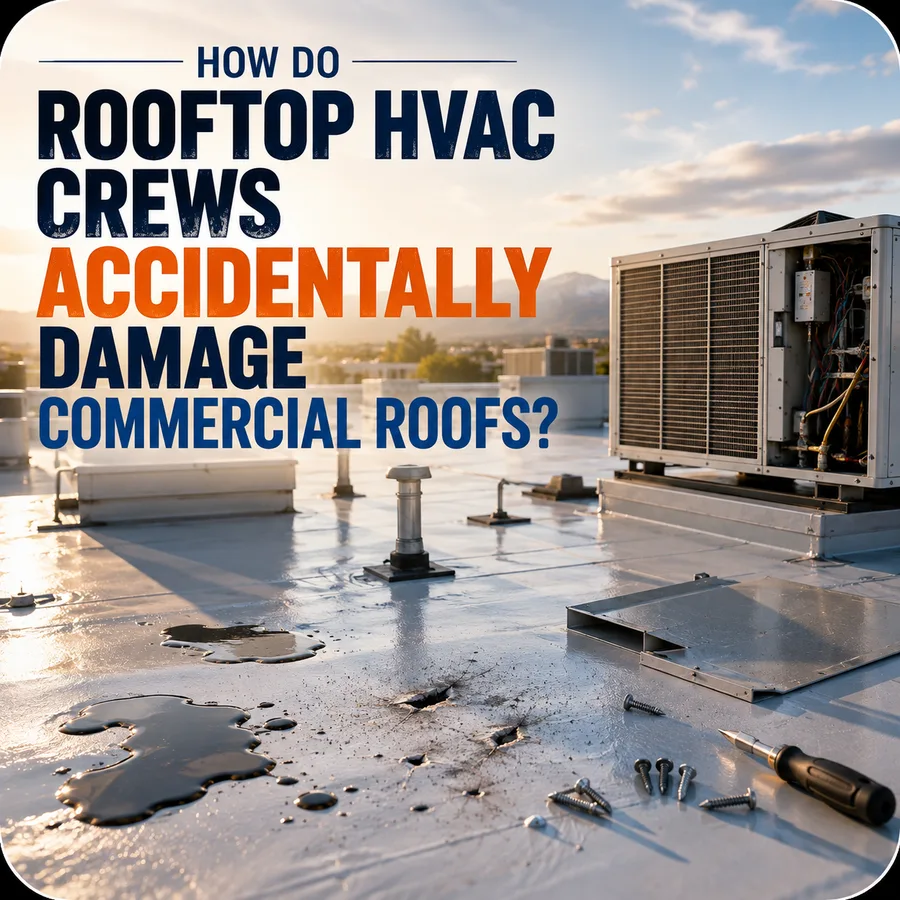
How Do Rooftop HVAC Crews Accidentally Damage Commercial Roofs?

Quick answer: Commercial membranes can be cut, punctured, scuffed, or contaminated when tools, panels, fasteners, refrigerants, oils, or repeated foot traffic are not controlled. A simple roof-access process prevents many avoidable problems. Treat this as a system decision, not a single-component choice. A written scope should connect the findings to the applicable commercial roof repair options. Key takeaways Commercial membranes can be cut, punctured, scuffed, or contaminated when tools, panels, fasteners, refrigerants, oils, or repeated foot traffic are not controlled. A simple roof-access process prevents many avoidable problems. Heat can...

Continue reading: How Do Rooftop HVAC Crews Accidentally Damage Commercial Roofs?
2026 Guide to Commercial Roof Asset Management – All Star Roofing

2026 Guide to Commercial Roof Asset Management

Quick answer: Commercial roof asset management combines a roof inventory, condition ratings, inspection cadence, repair history, risk priorities, and multi-year budgeting. The goal is to act before leaks dictate every decision. Good decisions separate visible symptoms from the underlying cause. The company’s commercial roofing services page explains the related service context before an on-site recommendation. Key takeaways Commercial roof asset management combines a roof inventory, condition ratings, inspection cadence, repair history, risk priorities, and multi-year budgeting. The goal is to act before leaks dictate every decision. Utah heat, ultraviolet exposure,...

Continue reading: 2026 Guide to Commercial Roof Asset Management
What Roof Records Should a Commercial Property Keep? – All Star Roofing

What Roof Records Should a Commercial Property Keep?

Quick answer: A commercial roof file should contain plans, system and warranty documents, inspection reports, leak logs, repair photos, contractor scopes, invoices, rooftop-work permits, and contact information. Good records turn recurring problems into usable history. A product label or roof age cannot settle this question by itself. Review the actual conditions and use commercial roofing services as a starting point for relevant service options. Key takeaways A commercial roof file should contain plans, system and warranty documents, inspection reports, leak logs, repair photos, contractor scopes, invoices, rooftop-work permits, and contact...

Continue reading: What Roof Records Should a Commercial Property Keep?
Scuppers vs. Internal Drains: What Should Building Owners Know? – All Star Roofing

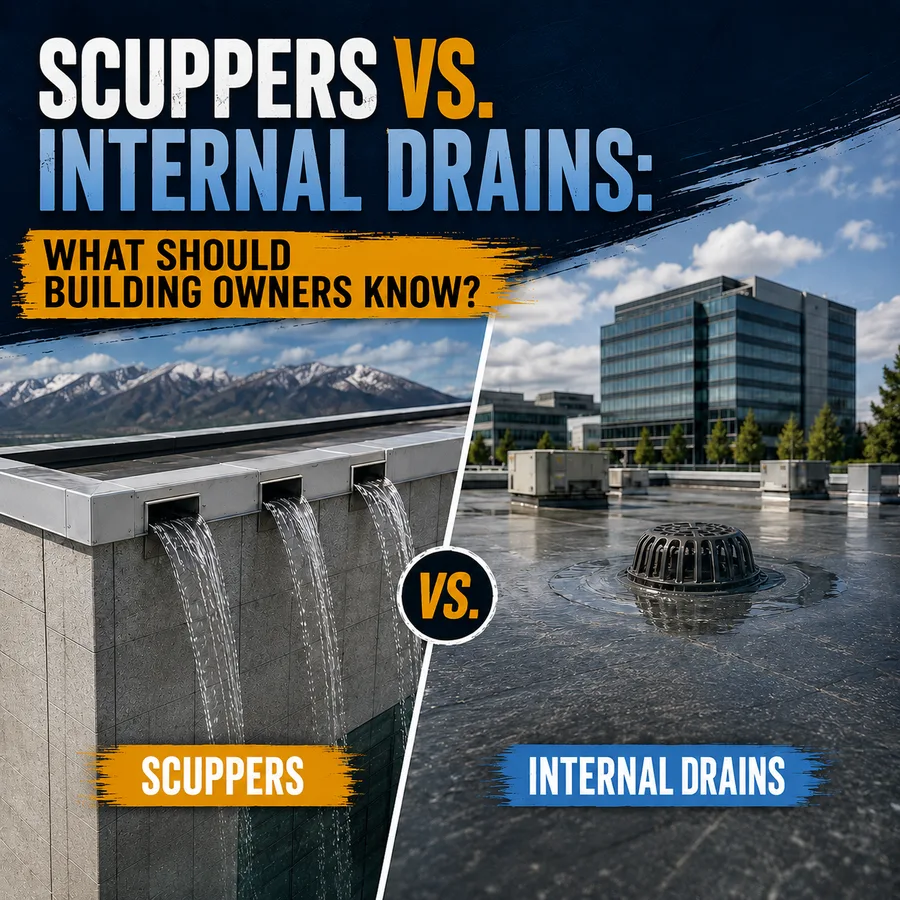
Scuppers vs. Internal Drains: What Should Building Owners Know?

Quick answer: Scuppers move water through perimeter walls, while internal drains route it through piping inside the building. Many roofs use one or both plus overflow provisions; the right design depends on structure, layout, climate, and maintenance access. The practical answer comes from the whole assembly, exposure, and property goals. Use commercial roofing services to frame the questions a written scope should answer. Key takeaways Scuppers move water through perimeter walls, while internal drains route it through piping inside the building. Many roofs use one or both plus overflow provisions;...

Continue reading: Scuppers vs. Internal Drains: What Should Building Owners Know?

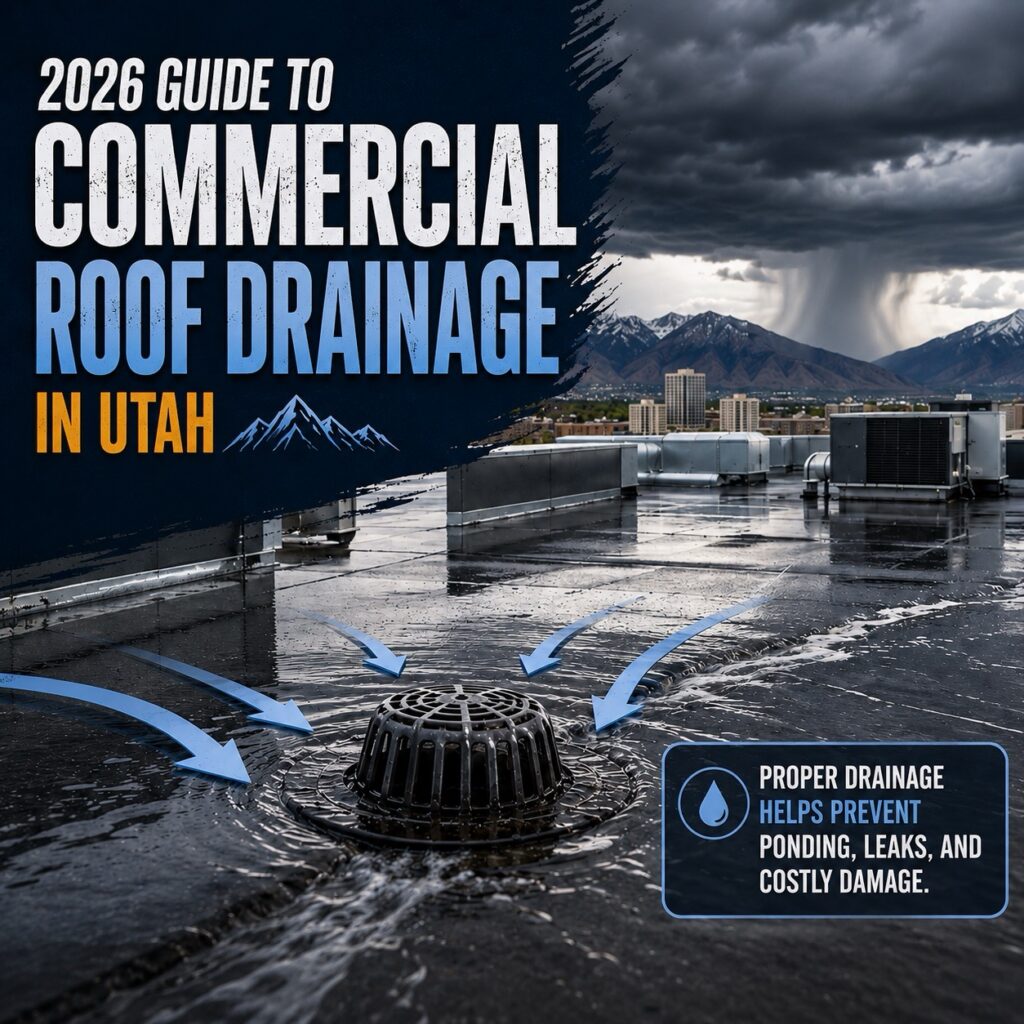
2026 Guide to Commercial Roof Drainage in Utah

Quick answer:  Commercial roof drainage is a system of slope, drains, scuppers, gutters, downspouts, overflow paths, and maintenance. Its job is to move water off the roof without overloading the assembly or sending it into the building. The decision should begin with the building and site, not a generic rule. Compare observed conditions with a complete written scope and review the company’s  commercial roofing services  information. Key takeaways Commercial roof drainage is a system of slope, drains, scuppers, gutters, downspouts, overflow paths, and maintenance. Its job is to move water...

Continue reading: 2026 Guide to Commercial Roof Drainage in Utah