

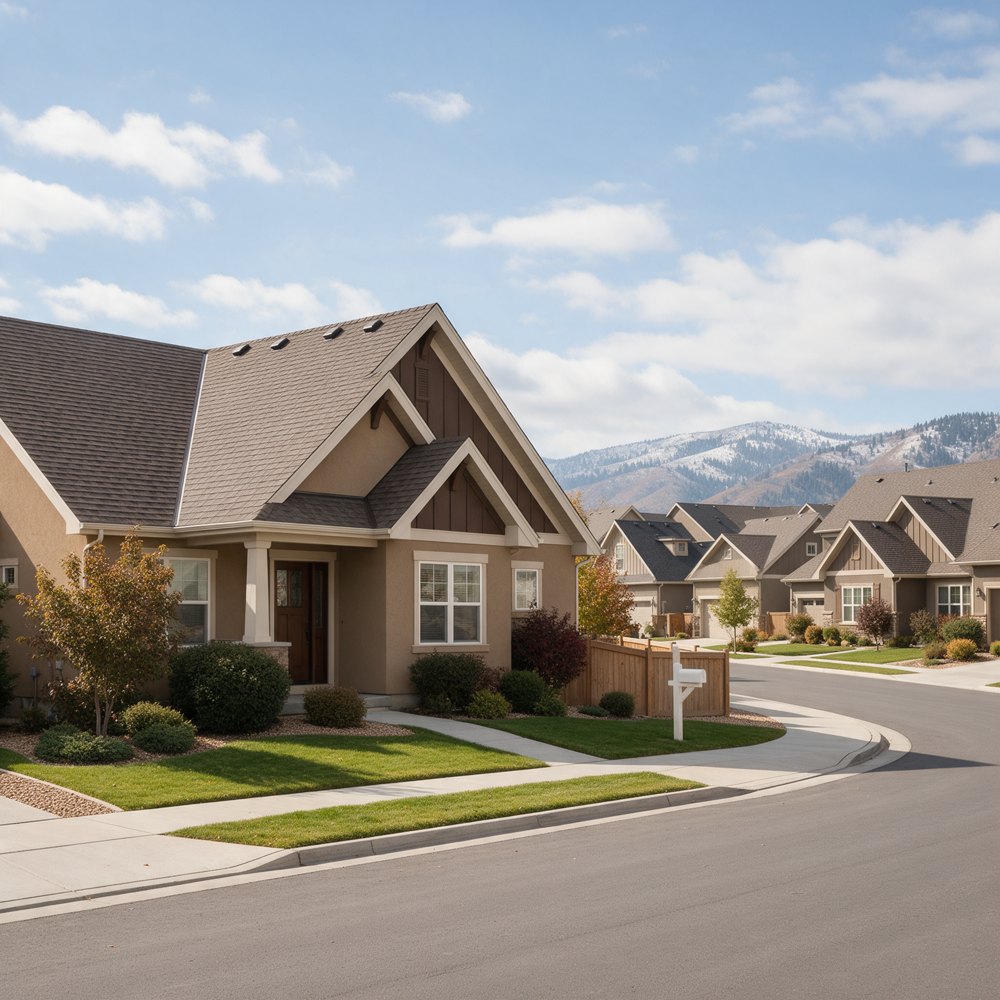
Before replacing a roof in a Utah HOA, confirm the approved material, color, visible roof details, application requirements, and which association must authorize the work. City permits and HOA design approval are separate steps. Approval from one does not replace approval from the other.
Daybreak in South Jordan and SunCrest in Draper are useful examples because both publish exterior-review information. They are not a ranking of Utah’s largest or most restrictive HOAs, and their rules should not be applied to another neighborhood. Even within a community, your property type, village, sub-association, and maintenance responsibilities can change the process.
A roof replacement is a large enough investment without ordering a color the association has not accepted. Start the approval discussion while you are comparing roofing options, then put the final approved selection into the contractor’s written scope.
What an HOA may review on a roof project
Homeowners often think of roof approval as choosing between brown and gray shingles. The review can extend to material profile, reflectivity, visible metal, vents, skylights, solar equipment, changes to roof shape, and how the roof relates to the house’s architectural style.
Ask whether the project is treated as maintenance, an exterior modification, or a material change. Do not decide that question simply because you intend to replace the roof “like for like.” A discontinued product, different shingle profile, new ridge vent, or revised flashing color can make the replacement look different.
For a townhome or condominium, first establish who is responsible for the roof. An owner may not have authority to contract for an individual replacement on a shared building. Check the governing documents and obtain written clarification from the manager or board before arranging work.
| Item to confirm | Information to provide |
|---|---|
| Roof covering | Exact manufacturer, product line, profile, and color |
| Visible details | Vents, flashings, edge metal, skylights, and proposed changes |
| Existing conditions | Clear photographs of the house and current roof |
| Project scope | Repair, reroof, material conversion, or structural alteration |
| Authority | Owner, master association, sub-association, and city roles |
| Timing | Written approval, expiration, permit process, and construction window |
Daybreak: start with the current design-review process
The Daybreak Community Association’s design-review page says exterior changes require review and approval before work. It provides an online application and directs owners to current guidelines and supporting requirements. Use that official starting point rather than an old PDF saved by a neighbor.
Daybreak also explains that a sub-association resident may need approval from both the sub-association and the master association. A consultation is not the committee’s decision. Obtain the written outcome and understand any conditions before treating the roof selection as final.
For the roofing portion of your application, ask the association to identify the standards that apply to your address. Confirm whether your selected shingle or metal product, color, profile, vent treatment, and other visible details are acceptable. Do not rely on an online statement that a short list of colors is universally approved throughout Daybreak.
The community maintains a Resident Design Guidelines page. If a download link fails or a document appears outdated, request the current applicable copy directly from the association. That is better than filling the gap with another contractor’s interpretation.
Practical takeaway: have the committee review a specific proposed roof, then make sure that exact product and color appear in the estimate and order. If material availability changes, ask whether the substitution requires another review.
SunCrest: do not treat a review target as automatic approval
SunCrest’s official design-guidelines page requires review before exterior modifications and describes its property-improvement application. It says the board aims to respond within ten business days after accepting a submission, while expressly warning that silence is not approval.
For a reroof, ask which current roof-material and appearance requirements govern the home. Guidelines written for new construction may address roof form, pitch, or architectural design in a way that is different from a replacement with no structural changes. The association should clarify applicability rather than leaving the owner or contractor to infer it.
Also distinguish association requirements from the building’s technical needs. A material can fit the neighborhood’s appearance but still need additional evaluation for the actual roof slope, structure, flashing, or snow-management conditions. Design acceptance is not a substitute for a properly specified assembly.
When arranging an estimate for a SunCrest property, confirm that the contractor serves the specific address and can provide the product information needed for the association’s review.
Why a universal list of “approved Utah roofs” would mislead you
Utah HOAs do not use one statewide design palette. A material accepted on one home may not suit a different architectural style or a neighboring sub-association. Community documents can also change, and online summaries may omit conditions that matter to your property.
That is why a useful roof guide should point to current decision-makers and documents rather than promise that every neighborhood accepts the same asphalt color or metal finish. A photograph of a nearby house can support a conversation, but it is not your written approval.
If you are considering a change from asphalt to metal, provide product literature and realistic appearance samples early. Ask specifically about the visible profile, finish, glare, trim, and transitions. The word “metal” covers several different looks; a review based on one sample may not authorize another.
All Star Roofing’s asphalt shingle and metal roofing information can help you develop options for an estimate. Association approval and technical suitability still need to be established for the selected option.
Build a submission that matches the roofing proposal
A complete application reduces avoidable back-and-forth. Ask the HOA for its checklist first, then assemble documents around the actual proposed work. Not every reroof requires a full site survey or structural drawing; do not order unnecessary documents without checking what the association and city require.
Useful roofing information commonly includes current photographs, the product name and color, a manufacturer brochure or sample, a description of the replacement, and proposed changes to visible accessories. More substantial alterations may need drawings or other professional documents.
Keep the application and contractor estimate aligned. If the application shows one material while the contract names another, resolve the discrepancy before paying for a special order. The same applies to a roof sample that looks different outdoors than it did under showroom lighting.
Ask the roofer to identify the visible details that may need discussion: ridge vents, pipe flashings, chimney metal, valleys, drip edge, and any new equipment or skylights. This does not mean the HOA should dictate an unsafe detail. It means appearance questions should be addressed alongside a technically sound design.
When you have a material selection ready for review, use our guide to comparing Utah roofing estimates to keep the approved product and necessary installation work consistent across bids.
Permits, HOA approval, and insurance each answer a different question
A city permit addresses applicable building requirements and the permitted scope. HOA review addresses the community’s governing documents and design process. An insurance carrier determines coverage under a policy. None of those decisions automatically settles the other two.
For example, Orem’s 2026 permit guide lists reroofing among work requiring a permit and minor roof repairs among work that does not. That is an Orem reference, not a rule to apply unchanged to every Utah municipality. Confirm requirements with the jurisdiction for the actual property.
If storm damage is involved, keep the insurer’s scope, the proposed replacement, and the HOA’s accepted material together. A carrier’s payment decision does not guarantee design approval. Likewise, an HOA preference does not establish that the insurer owes for an upgrade.
Clarify who will submit each application, pay associated fees, request inspections, and provide closeout records. These responsibilities belong in the written project scope so the homeowner is not left assuming someone else handled them.
Utah’s fire-resistant-material protection deserves a careful reading
Utah Code Section 57-8a-109, effective May 7, 2025, limits an association’s ability to reject or delay plans because they include fire-resistant materials in areas with heightened wildfire risk. The section includes Class A roofing and metal roofing in its definition and requires specified written reasons for a denial.
This is not a blanket exemption from design review or a reason to start work without approval. Applicability depends on the statute, the association, the location, and the proposed plan. It also should not be marketed as a brand-new 2026 rule.
If fire resistance is part of your material change, provide the relevant product and assembly documentation. Ask the association how it is applying the law to the property. If there is a dispute about legal rights or a denial, seek qualified legal guidance; a roofing estimate cannot resolve that issue.
Handle an active leak while approval is pending
Water entering the house creates a different problem from an elective appearance change. Notify the association promptly, document the condition from safe locations, and ask about its emergency-work process. Do not assume that an emergency permits every permanent alteration, or that waiting for a committee meeting is the correct response to active damage.
A roofing professional can assess the immediate condition and explain potential temporary protection or repair options. The association and city can clarify the approvals that apply. Keep records of the report, instructions received, photographs, and authorized work.
All Star Roofing provides roof repair and inspection services. Explain whether you have active leaking, a maintenance notice, or an elective replacement when you contact the company so the next step fits the situation.
Before scheduling the crew
Confirm that the written approval matches the product, color, and visible changes in the final contract. Check any approval expiration or construction conditions, the permit status where required, and how substitutions or concealed damage will be handled. Save those documents with your roof records.
For a roof project in South Jordan, Orem, Provo, or another area All Star Roofing serves, request an inspection or estimate or call (801) 381-0727. We can help define the roofing scope and product information you need for a clear association conversation, while the association retains authority over its approval process.