

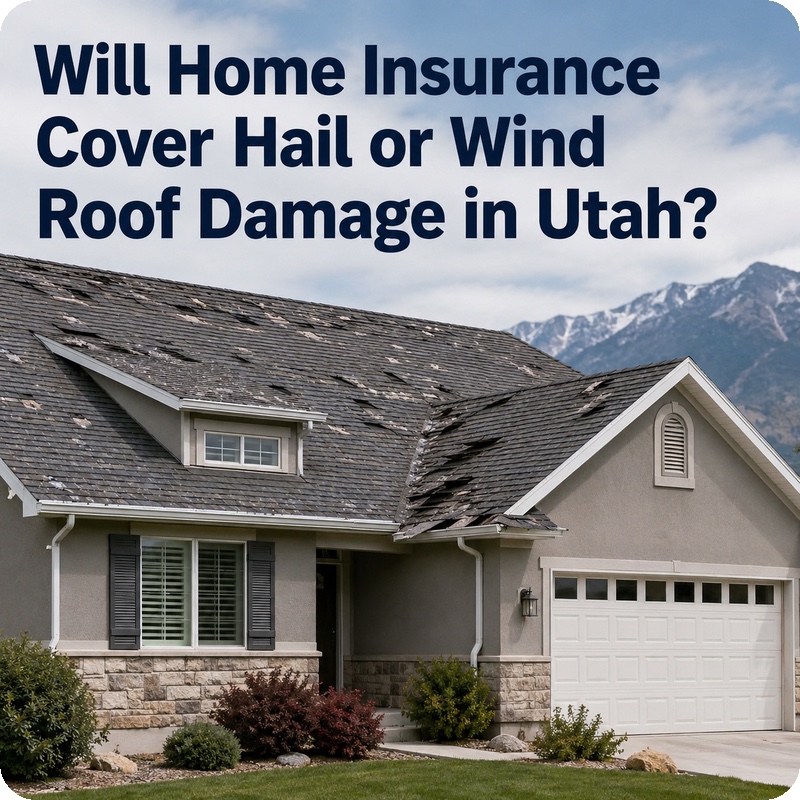
Will Home Insurance Cover Hail or Wind Roof Damage in Utah?
Utah homeowners insurance often covers sudden wind or hail roof damage when the loss is covered by the policy, but coverage, deductibles, depreciation, and proof of loss can all affect the outcome. Open with the answer that coverage often depends on the policy and evidence, not just on the weather event itself.
This guide is written for homeowners starting or considering a claim in Northern Utah, with practical next steps, climate context, and a clear path toward a professional inspection when that is the smartest move.
Quick Answer
Utah homeowners insurance often covers sudden wind or hail roof damage when the loss is covered by the policy, but coverage, deductibles, depreciation, and proof of loss can all affect the outcome.
In most cases, the right next step depends on scope, timing, and the condition of the surrounding roof system. That is why the clearest answer usually comes from a documented inspection instead of a guess from the driveway.
Key Takeaways
- Document what changed, protect the home if water is getting in, and schedule an inspection before the next storm makes the picture worse.
- Keep insurance conversations grounded in documentation and policy details instead of promises about what will be covered.
- Use repair-versus-replace logic to explain the next step clearly and calmly.
What homeowners insurance often covers after hail or wind damage
In Northern Utah, snow load, hail, wind, freeze-thaw cycles, and strong summer sun all change how roofing decisions should be made. Insurance conversations go better when the roof condition is documented clearly and the next steps stay grounded in facts. Most homeowners do not need promises here. They need to know what to photograph, what questions usually come next, and where a contractor can help without pretending to control the outcome. Readers who are still comparing service options can review residential roofing services to see how these decisions connect to real project scope.
That careful tone matters because roof-claim articles lose trust fast when they start predicting insurer behavior. Homeowners are usually better served by a clear process and solid documentation than by big promises.
Covered sudden damage versus wear and tear questions
Most policies treat sudden hail or wind damage differently from long-term wear, neglect, or old age. That is why homeowners should focus on documenting a specific storm event and the condition changes that followed instead of assuming every roof problem will be handled the same way.
Where deductibles and depreciation affect the outcome
Insurance terms should be explained plainly. Coverage questions, depreciation, deductibles, and proof-of-loss issues can all change the final numbers, which is why educational guidance is more helpful than overconfident promises.
What can complicate a roof claim in Utah
In Northern Utah, snow load, hail, wind, freeze-thaw cycles, and strong summer sun all change how roofing decisions should be made. Insurance conversations go better when the roof condition is documented clearly and the next steps stay grounded in facts. Most homeowners do not need promises here. They need to know what to photograph, what questions usually come next, and where a contractor can help without pretending to control the outcome. For local context, All Star Roofing’s Orem service page reinforces how Northern Utah weather patterns shape real roofing decisions.
That careful tone matters because roof-claim articles lose trust fast when they start predicting insurer behavior. Homeowners are usually better served by a clear process and solid documentation than by big promises.
Proof of loss and documentation gaps
Useful documentation usually includes wide photos, close-up photos when possible, dates, weather timing, and a short note about what changed after the event. Good notes help both the homeowner and the roofing contractor keep the conversation tied to evidence.
Damage that is often not handled the way homeowners expect
Homeowners are often surprised when age-related wear, deferred maintenance, or interior staining without clear storm-created entry damage is handled differently than a sudden covered loss. That is why inspection notes and a clean photo timeline matter so much.
What to do before and during the claim process
In Northern Utah, snow load, hail, wind, freeze-thaw cycles, and strong summer sun all change how roofing decisions should be made. Insurance conversations go better when the roof condition is documented clearly and the next steps stay grounded in facts. Most homeowners do not need promises here. They need to know what to photograph, what questions usually come next, and where a contractor can help without pretending to control the outcome.
That careful tone matters because roof-claim articles lose trust fast when they start predicting insurer behavior. Homeowners are usually better served by a clear process and solid documentation than by big promises.
What to photograph and document
Useful documentation usually includes wide photos, close-up photos when possible, dates, weather timing, and a short note about what changed after the event. Good notes help both the homeowner and the roofing contractor keep the conversation tied to evidence.
Why a professional inspection can help organize the conversation
A strong inspection should explain what was found, what may still need confirmation, and how the condition affects the next decision. Homeowners usually benefit most when the findings are written in a way that separates observations from assumptions. If the condition is still unclear, contacting the team is a better next step than making assumptions from visible symptoms alone.
Where insurance claim assistance fits without promising an outcome
For this topic, the most helpful service conversation usually starts after the homeowner understands the issue, the likely scope, and the practical next step. That is where Storm & Hail Damage Roofing, a documented inspection, and clear written recommendations become useful. If the reader wants to keep moving, the best internal paths here are usually the contact page, service coverage in Orem, and customer reviews.
If you want a clearer answer for your home, call (801) 381-0727 or request a free inspection or estimate. A documented roof review is often the fastest way to move from uncertainty to a practical next step.
Frequently Asked Questions
What is the difference between deductible, ACV, and replacement cost?
Your deductible is the amount you are responsible for before insurance pays. ACV means actual cash value, which usually reflects depreciation, while replacement cost coverage is designed to pay more toward the cost to replace covered damage, depending on the policy terms and claim process.
What damage is often excluded?
Policies often treat normal wear, long-term deterioration, neglected maintenance, and some interior damage differently than sudden storm-created roof damage. The fastest way to get clarity is to compare the visible damage with the policy language and a documented roof inspection.
What documents help support a claim?
Helpful claim documents usually include photos, dates, notes about when symptoms started, any temporary protection steps, inspection findings, and written communication tied to the storm event. The better the documentation, the easier it is to keep the discussion focused on the actual damage.
Final Thoughts
Home insurance may cover hail or wind roof damage, but the real outcome still depends on the policy, the deductible, the condition of the roof, and how well the damage is documented. The clearest next step is usually to inspect first, then move through the claim process with facts instead of assumptions.
If you want a clearer answer for your home, call (801) 381-0727 or request a free inspection or estimate. A documented roof review is often the fastest way to move from uncertainty to a practical next step. Readers who want a broader sense of the company can also review All Star Roofing’s services and project gallery examples.