

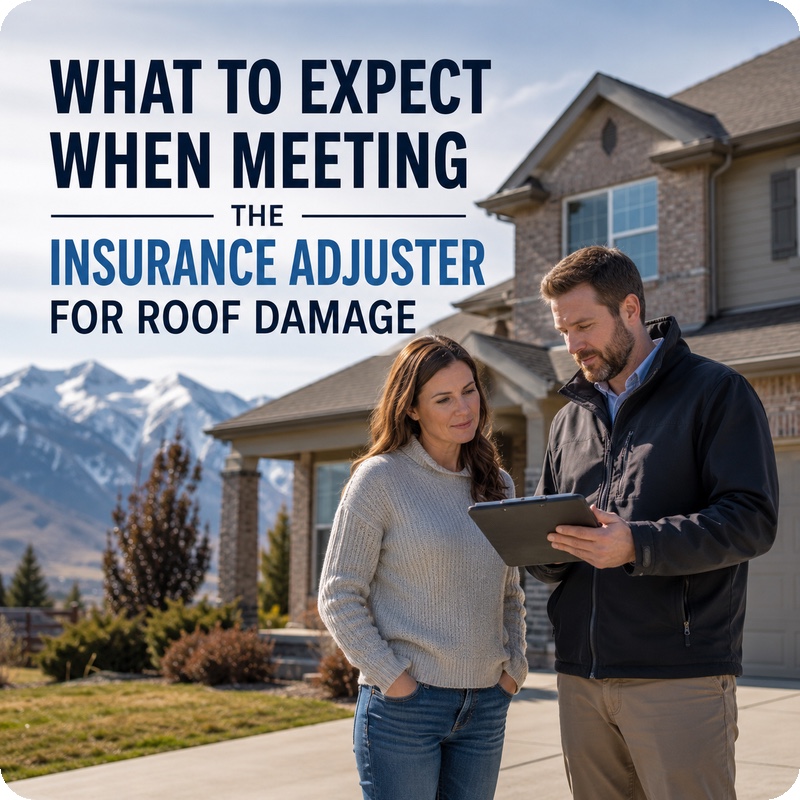
What to Expect When Meeting the Insurance Adjuster for Roof Damage
Before meeting the insurance adjuster, homeowners should organize photos, a timeline of storm events and symptoms, and any inspection notes so the conversation stays focused on documented damage. Open with the point of the meeting: make sure documented storm damage is reviewed clearly and calmly.
This guide is written for homeowners already in the claim process in Northern Utah, with practical next steps, climate context, and a clear path toward a professional inspection when that is the smartest move.
Quick Answer
Before meeting the insurance adjuster, homeowners should organize photos, a timeline of storm events and symptoms, and any inspection notes so the conversation stays focused on documented damage.
In most cases, the right next step depends on scope, timing, and the condition of the surrounding roof system. That is why the clearest answer usually comes from a documented inspection instead of a guess from the driveway.
Key Takeaways
- Document what changed, protect the home if water is getting in, and schedule an inspection before the next storm makes the picture worse.
- Keep insurance conversations grounded in documentation and policy details instead of promises about what will be covered.
- Use repair-versus-replace logic to explain the next step clearly and calmly.
What to organize before the adjuster arrives
In Northern Utah, snow load, hail, wind, freeze-thaw cycles, and strong summer sun all change how roofing decisions should be made. The first priority is to lower risk, stop small problems from spreading, and gather the kind of information that will still be useful once a roofer looks at the property. The smartest first steps are the calm ones: protect the home, document what changed, and avoid doing anything that could create more damage. Readers who are still comparing service options can review residential roofing services to see how these decisions connect to real project scope.
The order matters. When people jump straight to assumptions, they often miss the basic steps that protect the home and make the inspection more useful. A steadier approach usually saves both time and frustration.
Photos, notes, and storm timeline details
Useful documentation usually includes wide photos, close-up photos when possible, dates, weather timing, and a short note about what changed after the event. Good notes help both the homeowner and the roofing contractor keep the conversation tied to evidence.
Inspection findings and visible symptoms
Exterior clues after a storm can include fresh granule loss, bruised or displaced shingles, bent flashing, damaged vents, dented metal details, and debris patterns that match the storm direction. Even limited-looking damage can justify an inspection when the roof has already been worked over by Utah weather. If the condition is still unclear, contacting the team is a better next step than making assumptions from visible symptoms alone.
What homeowners should expect during the visit
In Northern Utah, the adjuster meeting is usually a fact-finding conversation, not a final argument to win on the spot. Homeowners should expect the adjuster to review the reported damage, look at the roof and related areas, ask when the storm happened, and compare what is visible to the claim details already on file. For local context, All Star Roofing’s Orem service page reinforces how Northern Utah weather patterns shape real roofing decisions.
The goal is to keep the discussion organized and evidence-based. A calm walkthrough, clear photos, and written inspection notes usually do more good than trying to force the conversation before the condition is fully documented.
Common questions and roof areas discussed
Adjusters often ask when the damage was first noticed, what weather event caused the concern, whether leaks have shown up inside, and what areas of the roof seem affected. They may also look at shingles, flashing, vents, gutters, ceilings, or attic signs if those details help explain the scope of the loss.
Why clear documentation matters more than speculation
Useful documentation usually includes wide photos, close-up photos when possible, dates, weather timing, and a short note about what changed after the event. Good notes help both the homeowner and the roofing contractor keep the conversation tied to evidence.
How contractor support can help without overstepping
Contractor support is most useful when it stays focused on roof condition, documented damage, and repair or replacement scope. A roofer can help point out where the storm appears to have affected the system, explain why certain details matter, and answer condition questions without making promises about claim approval.
That kind of support helps the meeting stay grounded. It gives the homeowner another set of trained eyes on the roof while keeping the conversation tied to evidence instead of emotion.
Clarifying damage locations and scope
A contractor can help identify which slopes, flashing details, vents, gutters, or interior symptoms appear connected to the storm event. That can be especially helpful when the damage is not evenly spread across the roof or when the home has both visible and hidden signs of moisture intrusion.
Keeping the conversation grounded in evidence
Homeowners should stay on the ground, use clear photos from safe angles, and note where debris, displaced materials, stains, or overflow are showing up. That kind of documentation is useful because it captures the condition without adding the risk of a DIY roof walk.
How adjuster meeting support fits into the process
For this topic, the most helpful service conversation usually starts after the homeowner understands the issue, the likely scope, and the practical next step. That is where Storm & Hail Damage Roofing, a documented inspection, and clear written recommendations become useful. If the reader wants to keep moving, the best internal paths here are usually the contact page, service coverage in Orem, and customer reviews.
If you want a clearer answer for your home, call (801) 381-0727 or request a free inspection or estimate. A documented roof review is often the fastest way to move from uncertainty to a practical next step.
Frequently Asked Questions
Should the contractor attend the adjuster meeting?
A contractor can be helpful at the adjuster meeting when there is documented storm damage and the homeowner wants support explaining roof condition and scope. The contractor should stay focused on the damage itself and avoid promising how the insurer will rule on the claim.
What photos help most?
The most useful photos usually show the roof from several angles, close-ups of visible damage, related gutter or metal impact marks, and any interior staining or moisture that appeared after the storm. Date-stamped photos and a short timeline make the set even stronger.
What should homeowners avoid saying or signing too early?
Homeowners should avoid guessing about damage they cannot verify, agreeing with broad conclusions they do not understand, or signing documents before they know what the paperwork means. It is better to ask questions, review the findings carefully, and keep the conversation tied to documented roof conditions.
Final Thoughts
The adjuster meeting usually goes best when the roof damage is organized clearly before anyone walks the property. Good photos, a simple timeline, and a documented inspection help the conversation stay focused on what happened and what the roof condition actually shows.
If you want a clearer answer for your home, call (801) 381-0727 or request a free inspection or estimate. A documented roof review is often the fastest way to move from uncertainty to a practical next step. Readers who want a broader sense of the company can also review All Star Roofing’s services and project gallery examples.