

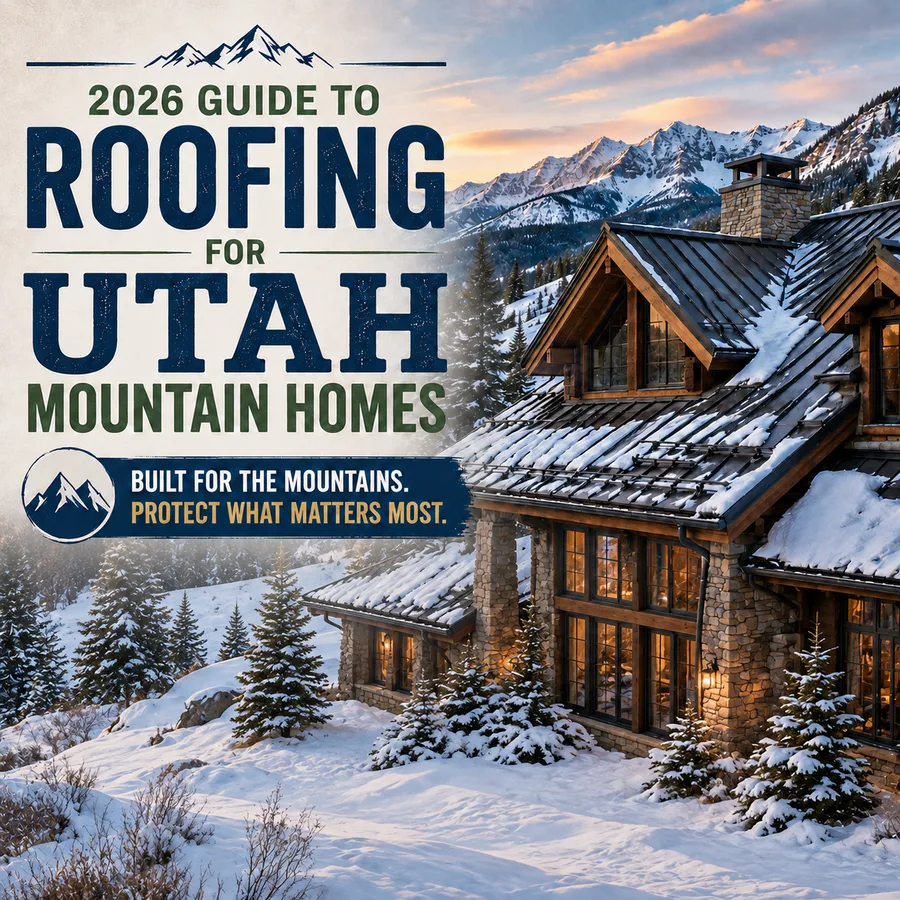
Quick answer: A mountain-home roof should be designed around site-specific snow, wind, drifting, ice dams, ultraviolet exposure, access, and where snow or ice can safely leave the roof. Elevation alone is not a complete specification.
Treat this as a system decision, not a single-component choice. A written scope should connect the findings to the applicable Utah roofing resources options.
Key takeaways
- A mountain-home roof should be designed around site-specific snow, wind, drifting, ice dams, ultraviolet exposure, access, and where snow or ice can safely leave the roof. Elevation alone is not a complete specification.
- Utah mountain weather can differ significantly between neighboring sites. Structural load and code decisions should use the jurisdiction and qualified design professionals rather than a statewide rule of thumb.
- Best next step: Create a safe inspection and maintenance plan before winter.
What factors matter most?
Design snow conditions
Ground and roof snow loads vary by location, elevation, exposure, drifting, and building geometry. Product instructions and the actual substrate help determine the appropriate response.
Heat loss and ice dams
Air leakage and uneven roof temperatures can melt snow that refreezes at colder edges. Evaluate it with the surrounding assembly because water and movement rarely stop at one component.
Snow shedding
Metal and other smooth surfaces can release snow toward entrances, decks, and lower roofs. Its importance depends on location, adjacent details, exposure, and the condition of the rest of the roof.
Access
Steep terrain and winter conditions affect inspection, emergency response, and material staging. A useful scope states how this detail connects to drainage, attachment, flashing, or maintenance.
Ventilation and moisture
The enclosure must manage indoor moisture as well as outdoor snow and ice. Look for evidence on this roof rather than assuming the same condition exists across every slope or area.
How do Utah conditions change the answer?
Utah mountain weather can differ significantly between neighboring sites. Structural load and code decisions should use the jurisdiction and qualified design professionals rather than a statewide rule of thumb.
The useful question is not whether Utah weather is hard on roofs in general, but which exposures are acting on this roof and how the assembly manages them. Use product-specific requirements and local observations rather than a single statewide lifespan or performance promise.
What should you do next?
- Document elevation, exposure, roof geometry, occupancy, and snow-consequence zones. Write the result down so later estimates and inspections can use the same facts.
- Review insulation, air sealing, ventilation, and roof covering together. The goal is to compare a complete scope instead of relying on a product name or a quick visual guess.
- Plan snow retention or shedding around people and property. Where safety, structure, code, or electrical work is involved, use the appropriately qualified professional.
- Create a safe inspection and maintenance plan before winter. Keep photos, product data, and written recommendations with the property records.
To turn these questions into a written scope, use residential roofing services. The next step should explain observed conditions, separate urgent work from maintenance, and result in a clear written recommendation.
What should a professional review?
- Site elevation and exposure
- Roof geometry and drainage
- Snow, wind, sun, and temperature patterns
- Covering, underlayment, and flashing
- Attic or building-enclosure conditions
A useful inspection connects exterior evidence with interior symptoms and the building’s history. It should also identify when another qualified professional is needed for structural, electrical, mechanical, design, policy, or legal questions.
What should you avoid?
Avoid giving homeowners instructions to climb onto snowy roofs or remove heavy accumulations without professional safety and structural guidance.
A safe inspection plan matters as much as a thorough one. Homeowners and untrained staff should not climb onto an uncertain roof to confirm a suspected defect.
Frequently asked questions
What roof is best for a mountain home?
Several systems can work; detailing, structure, snow management, and installation quality are decisive.
Do steep roofs prevent snow problems?
They change accumulation and shedding behavior but do not eliminate snow, ice, or safety concerns.
Can ice dams occur on metal?
Yes. Ice dams relate to heat flow, snowmelt, refreezing, geometry, and drainage, not only covering type.
Should snow be removed?
Conditions vary; seek qualified guidance when loads, slides, or structural distress are a concern.
What signs need urgent attention?
Active leaks, unusual movement, cracking sounds, sagging, jammed doors, or unsafe snow loads require prompt professional evaluation.
Get a clear roof recommendation
The right answer depends on the actual roof, not only its age or material. Learn about free roof inspection, or call All Star Roofing at (801) 381-0727 to schedule a free inspection or estimate. Coverage decisions remain with the insurance carrier, and project timing depends on weather, scope, materials, and scheduling.